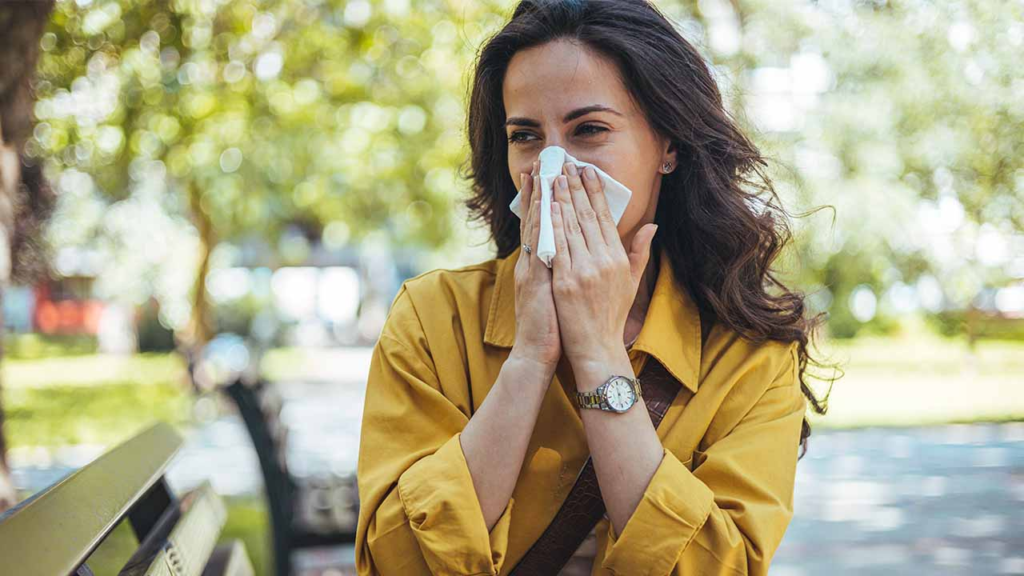
You wake up with a scratchy throat, a runny nose, and heavy eyes. You think it’s a cold, but a week passes and nothing changes. Sound familiar? If you live in Bengaluru, there’s a good chance it’s not cold at all. It could be your body reacting to the air around you. Pollution allergies in Bangalore are far more common than most people realise, and they’re quietly affecting thousands of residents every single day.
Why Air Pollution Causes Allergies in Bengaluru
Bengaluru has grown rapidly, and so has its air quality problem. Vehicle exhaust, construction dust, industrial emissions, and the seasonal burning of dry leaves all contribute to a cocktail of airborne irritants. Why air pollution causes allergies in Bengaluru comes down to how these particles interact with your immune system. Fine particulate matter (PM2.5), nitrogen dioxide, and ground-level ozone don’t just irritate your airways; they trigger immune responses that mimic and often amplify allergic reactions. When your body is exposed repeatedly, it becomes sensitised, and what once caused mild sneezing can escalate into persistent inflammation.
Air Pollution Allergy Symptoms to Watch For
Many residents dismiss their symptoms as a recurring cold or simple tiredness. But air pollution allergy symptoms have a distinct pattern: they linger, they return every time you step outside, and they often worsen on high-traffic days or during the dry season. Common signs include:
- Persistent sneezing and runny nose
- Itchy, watery, or red eyes
- A dry, irritating cough
- Shortness of breath or chest tightness
- Skin rashes or unexplained itching
- Fatigue and brain fog
If you’re also experiencing dust allergy symptoms, specifically sneezing fits when indoors, worsening symptoms in older buildings, or reactions to dusty environments, you may be dealing with a combination of outdoor pollution and indoor dust mite sensitivity. The two often overlap in Bengaluru’s older residential areas and congested neighbourhoods.
Seasonal Allergies in Bangalore: When It Gets Worse
Bengaluru does have seasons, and allergy sufferers feel every one of them. Seasonal allergies in Bangalore peak from October to February, when cooler, drier air traps pollutants closer to the ground and pollen counts from flowering trees rise. The pre-monsoon months of March and April also see elevated dust levels. Even the monsoon, while it washes away some particles, brings mould spores that trigger a different wave of reactions. If your symptoms follow a seasonal pattern, it’s not a coincidence your environment is driving them.
How Bengaluru Air Pollution Affects Health Beyond Allergies
It’s worth understanding that the impact doesn’t stop at sneezing. How Bengaluru air pollution affects health extends to the cardiovascular and respiratory systems over time. Long-term exposure to polluted air has been linked to asthma, chronic bronchitis, reduced lung function, and heightened susceptibility to respiratory infections. Children, the elderly, and anyone with pre-existing conditions are especially vulnerable. What starts as seasonal sniffles can evolve into something that demands medical attention.
How to Protect Yourself from Bangalore Air Pollution
The good news is that you’re not powerless. How to protect yourself from Bangalore air pollution starts with simple, consistent habits:
- Monitor air quality daily using apps like AQI India before stepping out.
- Wear a proper mask (N95 or equivalent) on high-pollution days, especially near traffic.
- Keep windows closed during peak traffic hours, typically 8–10 AM and 6–9 PM.
- Use an air purifier with a HEPA filter at home, particularly in the bedroom.
- Stay hydrated to help your body flush out irritants.
- Shower and change clothes after returning from outdoors to reduce allergen transfer indoors.
- Avoid outdoor exercise on days when AQI is above 150.
- Keep indoor plants that help filter air, such as spider plants or peace lilies.
These steps won’t eliminate exposure, but they significantly reduce the burden on your immune system.
When to See an Allergy Specialist in Bangalore
Home management has its limits. If your symptoms are persistent, disrupting your sleep, or affecting your work and daily life, it’s time to see an allergy specialist in Bangalore. A specialist can run skin prick tests or blood tests to identify exactly what you’re reacting to whether it’s pollution particles, dust mites, pollen, or mold. An accurate diagnosis makes all the difference.
Allergy Treatment in Bangalore: What Your Options Look Like
Allergy treatment in Bangalore has come a long way. Depending on your diagnosis, your doctor may recommend antihistamines, nasal corticosteroid sprays, or bronchodilators for immediate relief. For longer-term management, allergen immunotherapy (allergy shots or sublingual drops) can gradually reduce your sensitivity. The key is not to self-medicate indefinitely; untreated allergies can develop into asthma or chronic sinusitis. A structured treatment plan from a qualified physician ensures you’re not just managing symptoms but addressing the underlying trigger.
About Health Bloom in Bangalore
When it comes to finding compassionate, evidence-based care for pollution-related allergies and respiratory conditions, Health Bloom in Bangalore stands apart. Health Bloom began as a community-focused outpatient medical centre with a simple belief: quality healthcare should be accessible, compassionate, and meaningful. Over time, it evolved into something much more a wellness-led healthcare destination that listens to patients and understands that true health extends beyond treatment.
Today, Health Bloom integrates evidence-based medicine with preventive, rehabilitative, and complementary wellness practices. Their approach empowers individuals not just to manage illness, but to live healthier, fuller lives. Operating at the intersection of medicine, nutrition, rehabilitation, mental health, and complementary wellness, Health Bloom enables individuals to shift from reactive healthcare to proactive well-being addressing the growing burden of lifestyle and environment-related conditions through early detection, preventive care, and integrative treatment models.
Whether you’re dealing with persistent allergy symptoms, respiratory concerns, or simply want to understand how Bengaluru’s air is affecting your body, At Health Bloom we offer
Health Bloom offers comprehensive healthcare services including Preventive Wellness, Physiotherapy, Nutritional Wellness, Women’s Health, and Corporate Wellness Programs. Our expert team focuses on early detection, personalized care, and long-term health to help individuals and organizations achieve better well-being
Frequently Asked Questions
1. How do I know if my symptoms are from pollution, allergies or a common cold?
A cold typically resolves within 7–10 days and may come with a fever. Pollution allergy symptoms tend to persist for weeks, worsen on high-pollution or high-pollen days, and return when you’re in polluted environments. If your symptoms follow this pattern, consult an allergy specialist.
2. Can children living in Bengaluru develop pollution-related allergies?
Yes. Children are particularly vulnerable because their lungs are still developing. Prolonged exposure to Bengaluru’s air pollutants can trigger asthma, recurrent coughs, and allergic rhinitis in children. Early diagnosis and management are crucial.
3. Are dust allergy symptoms different from pollution allergy symptoms?
They overlap significantly. Dust allergies are typically triggered by dust mites, pet dander, or cockroach particles indoors, while pollution allergies are driven by outdoor PM2.5, vehicle exhaust, and industrial emissions. Many Bengaluru residents suffer from both simultaneously.
4. Is allergy immunotherapy available in Bangalore, and is it effective?
Yes, immunotherapy is available through qualified allergy specialists in Bangalore. It involves gradually exposing your immune system to small amounts of the allergen to reduce sensitivity over time. It is one of the most effective long-term treatments for allergic rhinitis and allergic asthma.
5. What is the best time of year to get an allergy test in Bangalore?
You can get tested at any time of year, but if you suspect seasonal allergies, testing during or just after a symptomatic period gives the most accurate results. Health Bloom’s specialists can guide you on the right timing and the most appropriate tests for your specific symptoms.