If a doctor has mentioned surgery as a possibility for your knee, shoulder, or back, it’s natural for your mind to jump straight to worst-case scenarios, time off work, a long recovery, the cost, the risk. But here’s something worth knowing before you go down that road: for a genuinely large number of conditions affecting your bones, muscles, and joints, physiotherapy is tried first, not as a delay tactic, but because it works, and works well, often enough to change the conversation entirely.
This isn’t a claim that physiotherapy can replace surgery in every case, it can’t, and pretending otherwise would do you a disservice. But understanding where physiotherapy fits into the decision can help you ask better questions the next time you’re sitting across from a doctor.
The Rise of This Question
More people are asking whether physiotherapy can help them avoid surgery than they used to, and it’s not hard to see the reason. Long surgery waitlists, weeks of recovery downtime, and a general shift toward treatment backed by solid evidence that doesn’t involve going under the knife have made non-surgical treatment a genuinely attractive first step for many joint and back conditions, as long as it’s medically suitable for what’s actually going on.
A Look at the Evidence
The research here is more encouraging than most people expect, particularly for two very common problems: shoulder and knee conditions.
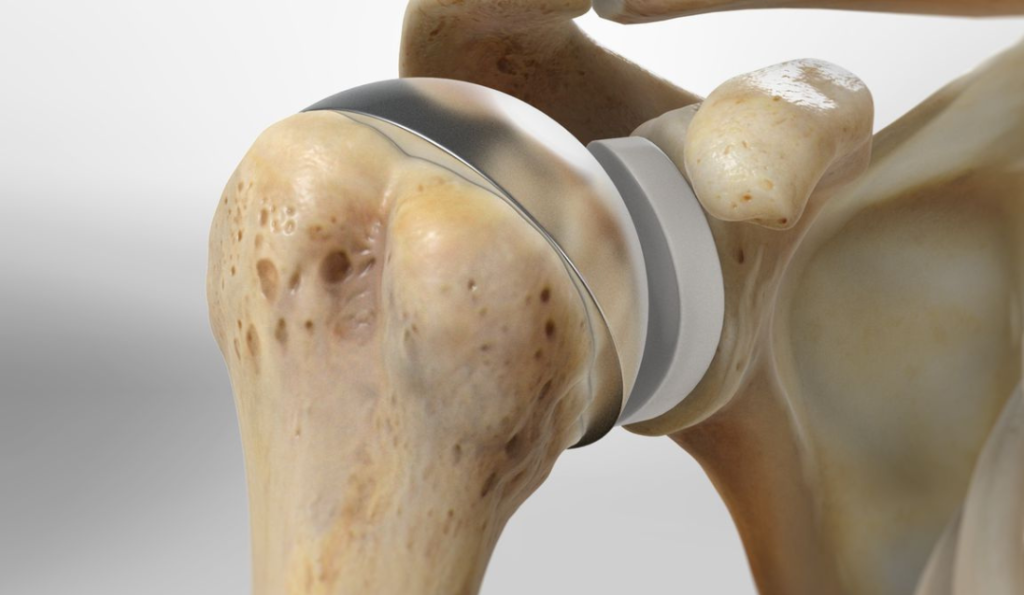
Take a torn shoulder tendon, known medically as a rotator cuff tear, one of the most common reasons people are sent for shoulder surgery. Guided, exercise-based recovery programs have shown strong results here. Studies following patients whose tear had developed gradually over time (rather than from a sudden accident) and went all the way through the tendon found that most of them successfully avoided surgery after completing a structured physiotherapy program, with the improvement holding up over several years of follow-up. For smaller, partial tears, the results tend to be even better, and several studies comparing surgery with physiotherapy found the two led to similarly good improvements in pain and movement for small to medium-sized tears.
Knee arthritis, the wearing down of cartilage in the knee joint, tells a similar story. For many patients, particularly when the damage is still in its earlier stages, a structured program of strengthening, mobility exercises, and correcting how you move can meaningfully reduce pain and improve function, sometimes enough to postpone or avoid a knee replacement altogether. This isn’t true for every case; more advanced damage inside the joint or a significant change in the joint’s shape often does need surgery to fix it. But it does mean physiotherapy deserves a genuine trial before surgery becomes the assumed next step, not an afterthought squeezed in before the operation.
Inside a Treatment Program
There isn’t one single approach, your treatment is built around what your body specifically needs. Depending on the condition, your physiotherapist might combine several techniques: targeted strengthening exercises for the muscles supporting the affected joint, hands-on treatment to improve how well the joint moves, retraining you to move correctly and undo habits you may not even realise you’ve picked up, and exercise programs that build up gradually so you rebuild strength without overloading the healing area. None of this is generic, a program for a torn shoulder tendon looks very different from a program for knee arthritis, and both should be built around your specific assessment, not a one-size-fits-all template.
The Real Limits
This is important, and any honest article on this topic has to say it plainly: physiotherapy is not the right first step for everyone. Large tears, tears caused by a sudden injury, serious damage inside the joint, worsening nerve-related symptoms (like numbness, tingling, or weakness that keep getting worse), or conditions that don’t improve even after a genuine trial of structured therapy, usually do call for a conversation about surgery. The decision isn’t all-or-nothing, many patients benefit from trying physiotherapy first, with surgery kept as a backup if it doesn’t get them where they need to be. What matters is that the decision is made after a proper evaluation, not guesswork.
The Right Time to See a Physiotherapist
If you’ve been told surgery is “an option” rather than something urgent or unavoidable, that’s usually a reasonable moment to ask about trying physiotherapy first. It’s also worth exploring physiotherapy treatment for ongoing joint pain, stiffness, or reduced movement that’s affecting your daily activities, even before surgery has been discussed at all.
Inside an Assessment
A proper physiotherapy assessment looks at how you move, your strength, and which everyday activities have become difficult, alongside your medical history and any scans or reports you already have. From there, a plan is built around realistic goals and checked regularly, because whether the treatment is working, and how long it’s worth continuing before revisiting the idea of surgery, is something that needs to be tracked, not assumed.
The Real Benefits Worth Knowing
Among the genuine benefits of physiotherapy are a lower risk compared to surgery, no recovery downtime from an operation, and, for many patients, the chance to build lasting strength and movement habits that protect the joint well beyond the treatment period itself, whether or not surgery eventually becomes necessary.
https://www.instagram.com/reel/Dac8i-AjLYb/?utm_source=ig_web_copy_link&stkn=MzRlODBiNWFlZA%3D%3D
Key Takeaway
Physiotherapy can, for a meaningful number of shoulder, knee, and back conditions, genuinely reduce or delay the need for surgery, but it isn’t a solution for everyone, and knowing which group you fall into requires a proper evaluation rather than guesswork. If you’re weighing this decision yourself, it’s worth discussing a structured physiotherapy trial with a qualified professional before assuming surgery is the only path forward. Health Bloom’s physiotherapy center in Whitefield non surgical treatment , Bangalore, works with patients on exactly this kind of assessment-led, non-surgical care, in coordination with your treating doctor’s opinion where needed.
Frequently Asked Questions