You have probably been there, staring at a fresh breakout, reaching for your trusted drugstore spot treatment, hoping this time will be different. OTC skincare products have their place, and many of them genuinely work for mild, everyday concerns. But there is a line, often invisible until it has already been crossed, where self-treating stops being helpful and starts causing real, lasting harm. Knowing when to put down the over-the-counter options and call in a professional is one of the most important skincare decisions you will ever make.
Why OTC Products Are Not Always Enough
Let us be honest: the skincare aisle is overwhelming. Salicylic acid, benzoyl peroxide, retinol, and niacinamide are legitimate, evidence-backed ingredients. For minor surface-level breakouts and early-stage skin concerns, they can absolutely be part of a solid routine. The problem begins when people continue relying on them for conditions that have already escalated beyond their scope.
Inflammation that runs deep into the dermis, the skin’s second layer, cannot be resolved with a dab of OTC gel. When that happens, skin heals with disorganised collagen, and that is exactly how to avoid permanent skin damage by recognising when deeper intervention is needed before the damage is done.
The Warning Signs Your Skin Is Sending You
Your skin communicates. The challenge is learning to listen before it is too late. Nodular or cystic acne those painful, deep lumps that do not come to a head almost always require dermatologist skincare advice. Treating them aggressively at home, picking, or applying harsh acids repeatedly only drives inflammation deeper and dramatically increases your risk of scarring.
Other red flags include breakouts that have been present for more than eight to twelve weeks without improvement, any lesion that leaves a persistent dark mark or indented texture, and skin that becomes increasingly reactive, dry, or inflamed despite consistent product use. These are not signs to push harder with your current routine, they are signs to change direction entirely.
How Scars Form, and How to Prevent Permanent Acne Scars
Scarring is not simply about how bad a breakout looks. It is about how deeply the follicular wall ruptures and how the body responds to that injury. How to prevent permanent acne scars comes down to two things: controlling inflammation early and giving skin the right environment to heal properly.
Wound healing skincare plays a central role here. Keeping affected skin moisturised, protected from UV exposure, and free from mechanical trauma, no squeezing, scraping, or aggressive exfoliation gives the healing process the best possible conditions. But if active acne is still progressing, no amount of post-care will fully compensate. Stopping scar formation begins with stopping the breakout at the source.
When to See a Dermatologist Without Waiting
Many people wait too long. They exhaust every product on the shelf, spend months experimenting, and only seek professional treatment for acne scars after scars have already formed. By that point, treatment becomes about correction rather than prevention, and correction is significantly harder, more expensive, and never quite as complete as simply preventing the damage in the first place.
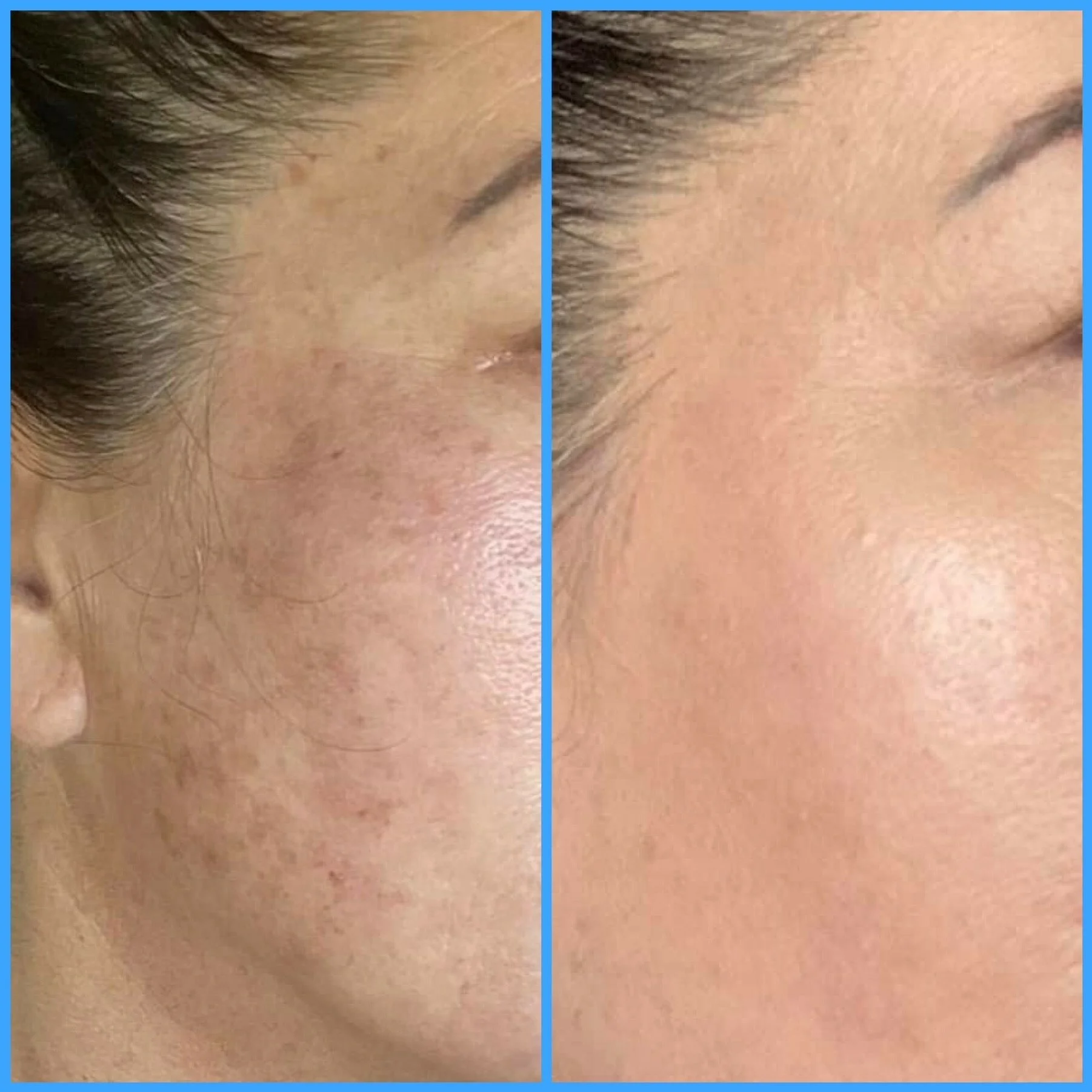
If your acne is moderate to severe, if you have already noticed textural changes or hyperpigmentation, or if your skin has not meaningfully improved after six to eight weeks of consistent OTC use, it is time for a consultation. A dermatologist can prescribe targeted topical or oral treatments, perform in-clinic procedures, and guide a post-acne treatment plan tailored specifically to your skin’s needs.
The Best Treatments for Scar Prevention Are Proactive
Prevention will always outperform correction. The best treatments for scar prevention are not exotic or expensive; they are timely. Early intervention with the right prescription treatment, professional chemical peels, or light-based therapies can interrupt the scarring cascade before it fully develops. Once atrophic or hypertrophic scars are established, treatments like microneedling, fractional laser resurfacing, or subcision become necessary all of which are highly effective but involve more sessions and recovery.
Prevent permanent scars by treating inflammation when it is still manageable. That is the fundamental principle, and it is one that no over-the-counter product can deliver on its own once inflammation has reached a critical depth.
A Word on Skincare Layering and Irritation
One underappreciated cause of worsening skin and scarring is over-layering combining multiple active OTC products without professional guidance. Using retinol alongside high-strength AHAs alongside benzoyl peroxide can strip the skin barrier, trigger reactive breakouts, and create micro-inflammation that seeds scarring. Simplicity, under professional direction, consistently outperforms complexity assembled through trial and error.
While over-the-counter (OTC) treatments can help with mild hair fall, relying on them for a long time without understanding the root cause may delay proper diagnosis and treatment. Hair loss can be linked to nutritional deficiencies, hormonal imbalances, stress, scalp conditions, or underlying medical issues. If you experience excessive hair shedding, thinning patches, sudden hair loss, scalp irritation, or hair fall that continues for several weeks despite using OTC products, it is important to consult a dermatologist. Early evaluation can help identify the cause and prevent further hair loss with appropriate treatment.
About Health Bloom, Bangalore
If you are looking for expert guidance on acne management, scar prevention, and skin health in Bangalore, Health Bloom in Bangalore is a trusted destination for evidence-based, patient-centred care.
Health Bloom began as a community-focused outpatient medical centre built on a simple belief: quality healthcare should be accessible, compassionate, and meaningful. It has evolved into a wellness-led healthcare destination that integrates evidence-based medicine with preventive, rehabilitative, and complementary wellness practices. Their approach empowers individuals not just to manage illness but to live healthier, fuller lives, addressing today’s growing burden of lifestyle diseases through early detection, preventive care, and integrative treatment models. Health Bloom operates at the intersection of medicine, nutrition, rehabilitation, mental health, and complementary wellness, helping individuals shift from reactive healthcare to proactive well-being.
Health Bloom offers comprehensive healthcare services including Preventive Wellness, Physiotherapy, Nutritional Wellness, Women’s Health, and Corporate Wellness Programs. Our expert team focuses on early detection, personalized care, and long-term health to help individuals and organizations achieve better well-being
Frequently Asked Questions
Q1. How do I know if my acne will leave a permanent scar?
Deep, inflamed, or cystic lesions are most likely to scar. Any breakout that is painful to touch, does not come to a head, or leaves a dark mark or textural change after healing warrants early professional attention. Prompt dermatologist skincare advice can significantly reduce scarring risk.
Q2. Can OTC skincare products prevent scars entirely?
For very mild, superficial acne, OTC skincare products combined with good wound healing skincare practices, sun protection, gentle cleansing, and no picking can help prevent minor discolouration. However, they are not sufficient for moderate to severe acne, where professional treatment for acne scars is the more reliable path.
Q3. What is the best time to start scar prevention treatment?
The sooner, the better. Ideally, scar prevention starts before any textural change appears that means managing active inflammation aggressively and early. The best treatments for scar prevention are those initiated while the skin is still in an active healing phase, not after scars have fully formed.
Q4. Is picking at acne really that harmful?
Yes. Mechanical trauma from picking drives bacteria deeper, ruptures follicular walls further, and significantly increases inflammation all of which directly contribute to scarring. If you want to prevent permanent scars, avoiding picking is one of the most impactful habits to develop.
Q5. What does post-acne treatment typically involve?
Post-acne treatment depends on the type of scarring or pigmentation present. Options range from prescription topical agents and chemical peels for early pigmentation to microneedling, fractional laser, or subcision for atrophic scars. A dermatologist at a clinic like Health Bloom in Bangalore can assess your specific situation and recommend the most effective course of action.